
What is Holistic Health?
In holistic practices, the mind and body are seen as being interdependent and indivisible. Optimum health is traditionally viewed to be when Mind and Body are in balance, a state known as homeostasis. Regular aromatherapy massage aims to help the body return to and maintain this natural balanced state.
An holistic practitioner treats the whole person as an individual and believes in the body’s ability to heal itself when given the right conditions. Rather than focussing purely on physical symptoms in specific parts of the body, holistic health looks at how each persons mental, physical and emotional state, along with their environment and lifestyle affects their health. It is important to bear in mind that there is no ‘quick fix’, healing takes time.
Treatment aims to gently and gradually restore this natural equilibrium by calming the stress response (which affects virtually every body system), boosting immunity and detoxification and stimulating the body’s self-healing ability.
What is complementary therapy?
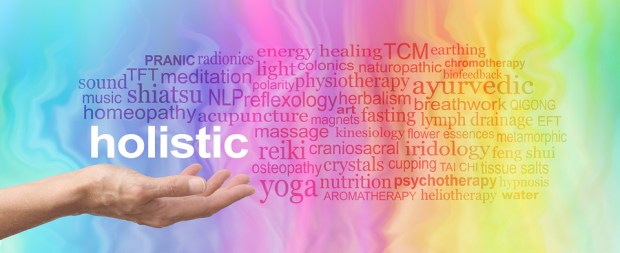
Complementary therapies can provide valuable support when used alongside conventional medical treatment and, due to the increasing amounts of positive clinical evidence becoming available, are increasingly being used to provide a more integrative approach to healthcare. They can:
- Boost the body’s self-healing mechanism.
- Improve quality of life for those dealing with ongoing, chronic health issues by altering or easing their perception of pain and helping them to manage the stress, anxiety and fear associated with their illness, treatment and medications.
- In some cases it can help prevent the symptoms from escalating.
- Provide a valuable caring and healing dimension to clinical health care as their focus is to treat the person, not the disease.
The main aim of most complementary therapies is to produce a therapeutic effect in addition to that offered by surgery and medication. It can provide a valuable human dimension and support, and empower an individual to manage and cope with their symptoms with a more positive outlook.
Aromatherapy & Massage Therapy are two complementary therapies that can be invaluable in helping your mind and body to cope with exhausting ongoing, chronic health issues, post-surgical or injury recovery or other everyday stresses and strains. Stress, over time, takes its toll and can manifest in other, more serious health problems later in life.
Reasons why people choose complementary therapy
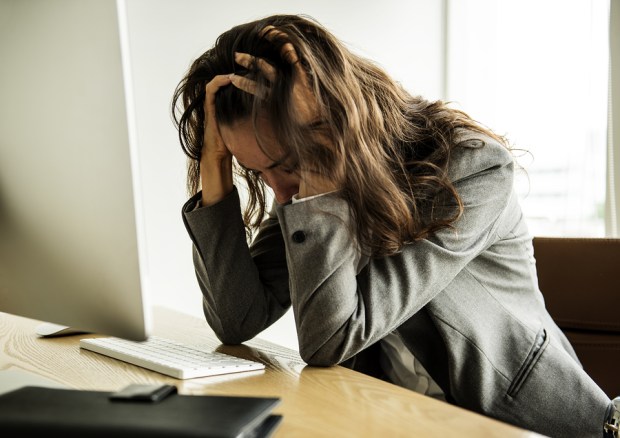
Everyone has their own reason for choosing a complementary therapy and many use more than one to help them adopt and maintain a healthier, more positive, happier and balanced lifestyle. Some reasons can include:
- An interest in achieving and maintaining good health and lifestyle choices.
- Managing the inevitable stress of everyday life and alleviating its symptoms in a more positive, productive way e.g. musculoskeletal tension and pain, headaches, sleep disturbance etc.
- Dealing with change or a life transition and the associated stress that comes with this change e.g. moving house, job, a relationship breakdown, bereavement, children leaving home, perimenopause, menopause, onset of illness, caring for others.
- Their unhappiness with orthodox medical health care, their impersonal relationship with their GP an/or an unwillingness to take prescription medication with limited success rates and strong side effects e.g. anti-depressants, painkillers or sleeping tablets.
- The importance of the client/therapist relationship – sometimes you just need someone to talk to who understands.
- The healing power of sensitive and respectful human touch provided by massage therapy.
- A willingness and interest in being involved with their own health care and making their own informed choices.
- Access to the increasing amount of clinical evidence available to support the benefits and safety of using complementary therapies for certain conditions.
Stress
Stress is the main reason most people seek help, often without knowing it. They may originally come for treatments to; ease muscular tension and pain, reduce anxiety and headaches, improve their sleep pattern, improve digestion, balance their hormones, to relax or to boost energy levels. The root cause of most presenting symptoms is more often than not, stress. Doctors and scientists now agree that chronic stress not only exacerbates disease, it can actually cause it. Some serious and chronic diseases caused by stress include:
- Stroke
- Heart Disease
- Type 2 Diabetes
- High Blood Pressure
- Adrenal issues
- Eczema
- Asthma
- Obesity
- Gastro-intestinal problems, IBS
- Headaches & Migraine
- Depression & Anxiety
- Insomnia
- Fatigue
- Premature ageing
As stress itself is a relative concept, it is far more appropriate to consider each individual’s ability to deal with the stress in their own life rather than looking at stress itself. Each person copes in their own way, some better than others. The good news is that it is never too late to make positive changes for better health and there are many tools available to help you.
Nowadays, stress is a fact of life and can (if we are balanced), be a positive, motivating force increasing focus, performance and energy levels. It can provide a ‘buzz’ which builds self-confidence and a sense of achievement.
If however you are feeling ‘stressed out’ then it is likely you are experiencing negative stress, often if you have simply too many demands on your time (and are out of balance). Some of the many symptoms of being in a constant state of stress include:
- Muscle tension & pain, particularly in the back, neck and shoulders
- Frequent headaches,
- Light headedness/dizziness
- Frequent colds, infections and outbreaks of cold sores
- Eczema outbreaks/skin rashes
- Heartburn
- Stomach aches and digestive issues
- Increased or decreased appetite
- Clenched jaw or teeth grinding
- Anxiety,
- Forgetfulness
- Poor memory
- Lack of attention/ability to focus
- Difficulty making decisions
- Overreaction to petty irritations
- Obsessive, compulsive behaviour
- Social withdrawal and isolation
- Constant tiredness and fatigue
- Weight gain or weight loss
- Increased use of drugs such as alcohol, nicotine, recreational drugs
- Impulse buying followed by guilt
- Irritability
- Anger and/or frustration
- Sleep problems
- Panic attacks
- Elevated blood pressure
- A general sense of being overwhelmed and unable to cope
It is not possible to remove stress, but we can improve the way we view and cope with it on a day to day basis. This can have life-changing repercussions.
Dis-ease can be prevented by bringing ease into one’s life. It can sometimes be that simple, with a little help.
Whilst complementary therapies can play an important role in supporting and improving your health and wellbeing and work well alongside orthodox medicine, they are not intended as a substitute for medical advice or treatment. Please consult your GP if you have any concerns regarding your health.
 Zen Zone Therapies