
What is Aromatherapy?
Aromatherapy is a reassuring, comforting and healing complementary therapy that involves the skilled use of essential oils to promote and maintain a healthy mind, body and spirit.
“Aromatherapy is a caring, hands-on therapy which seeks to induce relaxation, to increase energy, to reduce the effects of stress and to restore lost balance to mind, body and soul.” Robert Tisserand.
As each essential oil can have several beneficial physiological (impacting the physical body, and psychological (affecting the mind and therefore the emotions and spirit) actions, a carefully devised synergistic blend can improve mental, physical and emotional wellbeing simultaneously, thus treating the person as a whole.
The importance of the mind-body connection in health has now been clinically proven through the relatively new science of Psychoneuroimmunology. These studies measure the effect of the mind on our health and our resistance to disease (immunity). In essence, it offers scientific proof of what holistic therapies have always instinctively known, that the health of the mind really does affect the health of the body, and vice-versa. Emotions can create physical symptoms in the body and physical trauma can affect mental health.
Whilst happiness can strengthen the body’s immunity, in stark contrast unhappiness, through stress, has been shown to lower resistance to illness and on occasion produce psychosomatic symptoms and illnesses that a GP is often unable to trace the root cause of or provide an effective treatment for.
Understanding how important regular relaxation, reducing stress and managing and expressing our emotions in a healthy, positive way is, is vital if we are to heal the body and prevent the occurrence of dis-ease.
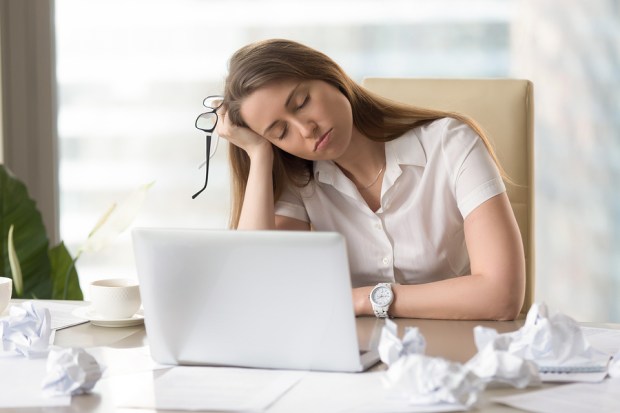 One such example of this mind-body connection is Somatic Symptom Disorder (SSD), which is a form of mental illness that can cause one or more physical symptoms in the body, including pain. The root cause of these symptoms are often difficult to identify using an orthodox medical approach as they may or may not be the result of a physical cause, other mental illness or substance abuse.
The power of essential oils to affect this mind-body connection can therefore be an invaluable tool in helping those afflicted break this vicious psychosomatic cycle, recover, re-frame their outlook and regain their balance.
Aromatherapy works particularly well alongside and in support of other therapies such as counselling, psychotherapy, osteopathy, chiropractic, nutritional therapy, medical herbalism, homeopathy and orthodox medicine. Its power to alleviate the effects of stress – endemic in modern life – makes it a valuable tool, alongside healthy diet and lifestyle choices, in living a healthier and therefore happier and more fulfilling, balanced life.
What are Essential Oils?
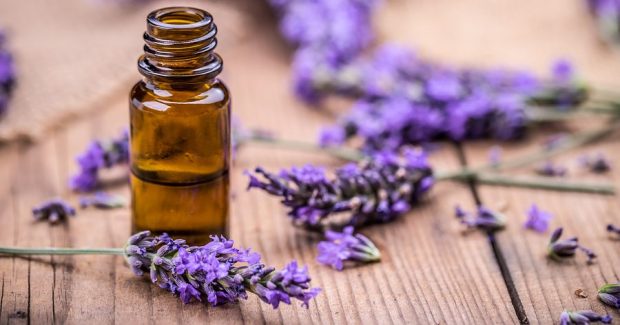
Essential oils are the scented, highly volatile (will evaporate if left in the open air) chemical substances or ‘essences’ extracted from various parts of aromatic plants.
The nature and proportion of these chemical constituents determine each oils therapeutic and fragrant properties and its associated actions.
Many essential oils have adaptogenic properties which serve to normalise conditions e.g. hyssop can raise blood pressure if it is too low or lower it if it is too high. Geranium can stimulate or sedate as required.
Certain essential oils, when blended together, have stronger actions than when used on their own. This is known as synergy.
Approaches to Aromatherapy
Clinical Aromatherapy
This term is used when the focus is on the controlled use of an essential oil to treat or alleviate a specific clinical symptom (e.g. nausea) and have a measurable outcome. Focus is on the clinical actions of the oils due to their chemical components e.g. if it is antispasmodic, anti-inflammatory, antiviral, antimicrobial, hypotensive, sedative and it is used accordingly.
Holistic Aromatherapy
Holistic aromatherapy is the most widely practiced form of aromatherapy. It recognises that each essential oil has a complex chemistry and synergy which gives it a distinct physical and energetic property enabling it to treat mind, body and spirit simultaneously.
As each essential oil can consist of hundreds of different chemical components including; esters, aldehydes, terpenes and alcohols (all of which have different actions), each individual essential oil can treat a variety of disorders simultaneously. One example of this synergy is Frankincense, which has both physical and psychological actions:
- anti-depressant (uplifting, counteracts melancholy)
- sedative (calms the nervous system)
- restorative (strengthens and revives body systems)
- anti-inflammatory (reduces inflammation)
- cicatrisant (stimulates the formation of scar tissue)
- cytophylactic (encourages the growth of skin cells)
- expectorant (helps expel phlegm and sputum)
- vulnerary (helps wounds and sores to heal)
When selected by a trained professional, essential oil blends work in synergy to meet the individual requirements of each client. They can serve to relax or invigorate the body, calm and refresh the mind and uplift and replenish the spirit.
The concept of energy, also referred to as Qi, Ki, vitality, prana or life force, is central to many holistic practices. Using their knowledge of how Qi flows through the body, holistic therapists aim to help the client return to and maintain a state of physical and mental wellbeing.
By using essential oils with a combination of Traditional Chinese Medicine Five Element analysis alongside a more analytical orthodox western medical approach to treating specific symptoms, holistic aromatherapy offers a truly integrated and effective approach to treating the mind, body and emotions to heal and restore the body’s natural state of balance.
Methods of Application
Though massage is one of the most popular ways to apply essential oils there are other methods available including:
- Direct inhalation – using aromasticks, cotton balls, tissues, steam.
- Indirect inhalation – burner, fan, humidifier, diffuser, nebuliser, spritzer spray and aromastones.
- Via external skin – applied during massage or the direct application of creams, lotions, ointments or body oils, hot and cold compresses or baths.
Inhalation
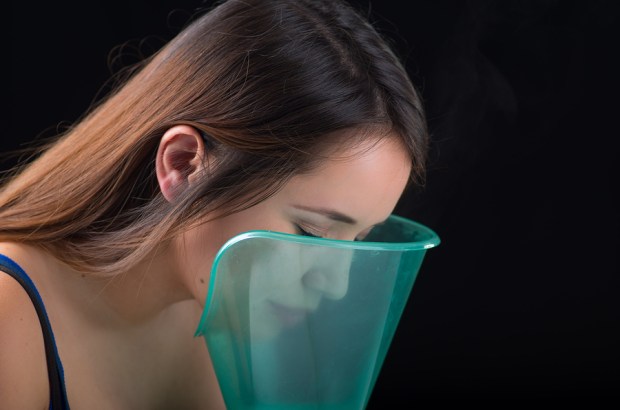
Inhaling essential oils is the fastest route into the body, delivering chemical components directly to the brain and lungs. From the lungs, these chemical components enter the bloodstream via the alveoli, thus circulating through the entire body.
Odour molecules travel through the nose and affect the brain via the limbic system, which is commonly referred to as the “emotional brain.” The limbic system is directly connected to the section of the brain that controls autonomic functions such as heart rate, blood pressure, breathing, memory, stress levels, and hormone balance. This connection is why smells can often trigger emotions and memories. This relationship can explain why essential oils can have profound physiological and psychological effects.
Odour also affects the brain and body through its impact on endorphin and nor-adrenaline production and has a proven powerful influence on the central nervous system with odours affecting mood and emotions, hormone balance, boost memory and learning, alleviate stress and reduce high blood pressure.
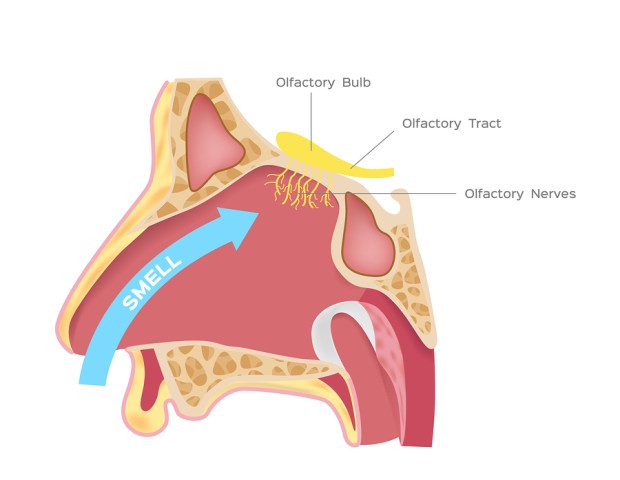
Inhalation of essential oils can therefore be particularly helpful in alleviating, preventing and releasing mental and emotional tension and stress, nervousness, mood swings and other psychosomatic conditions. It can also ease many psycho-emotional conditions including anxiety, mild depression and grief.
Inhalation of essential oils can be a valuable after-care addition to an aromatherapy massage treatment as it will further enhance the treatment, prolonging the positive benefits or can be offered when massage is contraindicated.
Conditions best treated by steam inhalation include:
- cold and flu symptoms
- respiratory problems, sinusitis, coughs, acute bronchitis
- throat infections, tonsillitis
- catarrhal conditions and phlegm
- mental and physical fatigue
- to calm the nervous system – reducing tension and anxiety.
Indirect inhalation
Vaporising or diffusing oils can:
- purify the air when infectious diseases such as colds and flu are around (antibacterial actions of Eucalyptus and antimicrobial action of Lavender are particularly helpful)
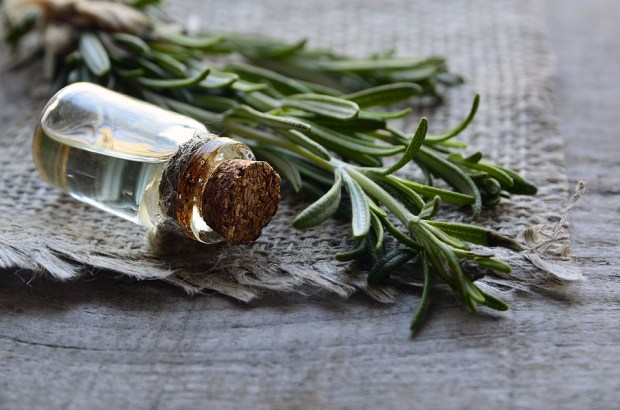
- indirectly and subtly influence mood e.g. vaporising essential oils with cephalic actions such as Rosemary can help stimulate and clear the mind – great when you are studying or revising.
 Aromatherapy Massage Treatment
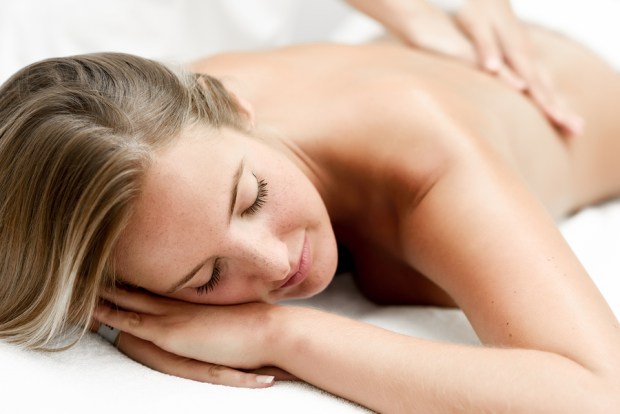
An aromatherapy massage is the way in which a prescribed blend of essential oils is delivered to the client via their skin (through massage), and indirectly via inhalation.
The small molecular structure of the chemical components within essential oils allow them to be absorbed indirectly into the bloodstream via the skin and lungs.
This treatment combines the emotional and physical benefits of massage with the psychotherapeutic and medicinal properties of plant oils on the physical body systems and the central nervous system (CNS).
As emotional unhappiness and stress can manifest as physical illness, time spent helping the client to relax and take a break from their cares and worries, even for just a short time, can prove to be incredibly empowering. Interrupting and reducing their stress response (fight -or-flight) can allow the body enough time to kick-start its own natural healing process and result in a more positive outlook.
Once selected, the essential oils are blended with a base oil (which itself has beneficial properties for the skin), to create a truly unique blend for each clients individual needs at that particular time.
I like to use different combinations of sweet almond, jojoba, grapeseed and evening primrose. A massage wax can also be an alternative option when deeper tissue work is required.
The combination of massage with the proven therapeutic benefits of essential oils creates an effective and uplifting method of healing.
The effect of the blend can be either calming, relaxing or energising and uplifting. The aim is to achieve balance.
Aromatherapy massage can:
- alleviate stress
- improve mood
- treat female health issues such as PMS, heavy or scant periods, peri-menopause and menopause symptoms
- soothe and alleviate anxiety and mild depression
- improve sleep patterns and reduce insomnia
- treat digestive disorders
- reduce headaches
- ease joint and muscular aches & pains
- treat skin and hair (improve skin tone, balance sebum production, treat dandruff and promote healthy hair growth).
As previously mentioned, aromatherapy massage can prove beneficial in treating disorders for which a route cause can not always be found by a GP. Female problems such as PMS, some infertility issues, peri-menopause and menopause symptoms can fall into this category as these physical symptoms can additionally have a psychological aspect to them, which orthodox medicine does not always take into account.

Aromatherapy’s proven success as a healing art can be attributed to:
- The medicinal use of plant oils for their effect on the mind, body and spirit.
- The proven psychological benefits of respectful, caring and safe human touch through massage.
- The physical benefits of the massage itself; improving the circulation of blood and lymph, stimulating the release of endorphins, (the body’s natural painkillers and feel good hormones), reducing high blood pressure, boosting and strengthening the immune system, reducing muscular tension and relieving aches and pains in joints, muscle tissue and fascia.
- Stimulation of nerve ganglia (reflex points) of the autonomic nervous system (ANS) located on either side of the vertebral column which control processes over which we have no conscious control – such as breathing, heartbeat, digestion, and kidney function to name just a few.
- The importance of the relationship between client and therapist – having someone to talk to and who can listen and provide support is a vital part of the healing process, especially as more and more people are dissatisfied with the approach of orthodox medicine.
- Olfaction – the inhalation of the oils directly affect the limbic system in the brain controlling emotions and has a powerful effect on the central nervous system and hormones.
- Looking at illness and ill health, not just in terms of symptoms and ailments but also at the impact diet, lifestyle choices and social circumstances have on health and wellbeing.
- Using the Traditional Chinese Medicine Five Element analysis alongside the more traditional western orthodox approach through an understanding of pathophysiology and anatomy and physiology, a truly holistic treatment plan can be formulated.
- The involvement of the individual in their own treatment and care creates a sense of empowerment and responsibility for their present and future health and lifestyle choices.
For clients who cannot or prefer not to receive massage, there are several other ways to administer essential oils, depending on the presenting symptoms, which include:
Foot and hand baths – Using lukewarm water with a blend of oils – hands and/or feet are soaked for 10-15 minutes then wrapped in a dry towel. Useful for treating:
- arthritis
- rheumatism
- varicose veins
- dry skin
- dermatitis
Full bath – A bath blend can be used when massage is not an option or to further enhance a treatment. It can:
- relieve mental and physical fatigue
- promote relaxation, uplift the mind, reducing anxiety
- relieve muscular aches and pains
- improve circulatory problems
- reduce fluid retention
- ease headaches and nervous tension
- treat insomnia
- ease menstrual problems
Sitz bath – when just the hips are covered, to the waist only.
- Cold hip baths – treat copious menstruation or inter-menstrual bleeding and can help promote sleep.
- Hot hip bath – used for painful periods, urinary infections, gout, piles, constipation and lower back pain
Compresses – Hot, warm or cold water with essential oils applied externally using a clean cloth.
Hot (should be as hot as the client can tolerate), used to:
- reduce chronic muscular and rheumatic pain
- relieve menstrual cramps
- draw out boils and splinters
- relieve toothaches
Cold (should have iced water), used to treat:
- recent injuries such as sprains and swellings
- relieve fluid congestion
- reduce fevers
- reduce inflammation and heat
- reduce headaches
- relieve tiredness – reviving after long day at work
Warm & Cold compresses – alternating the temperature of the compress may help:
- speed the healing of pulled muscles, bruising and strained ligaments
- arthritis – during a ‘flare up’ when an area is inflamed, swollen and sore
- relieve fluid congestion
- improve circulation
- reduce pain
- relieve tiredness
Ointment or salve – a thick preparation of oil or fat that is rubbed on to the skin to provide medicinal benefits. Depending on the actions of the essential oils mixed in to it, the salve can protect an open area from further infection, promote healing, be soothing and moisturising, relieve pain or provide cooling relief.
Useful in treating and soothing localised conditions such as:
- boils
- infected cuts, grazes
- sores
- inflamed skin conditions
- insect bites & stings
- fungal skin infections; athletes foot, ringworm
- eczema, psoriasis, dermatitis
- coldsores
- scabies
- chilblains
An analgesic (pain-reducing) and rubefacient (warming) blend can help:
- ease arthritis
- soothe sports injuries
- prepare muscles before an event to minimise the risk of injury
Creams & Lotions – a mixture of oil and water, they are lighter than ointments so quickly penetrate the skin and are less messy. Lotions are watered down versions of creams. Both are suitable for use on most skin conditions as they soothe and moisturise and protect and heal. Useful in soothing and treating:
- athletes foot, ringworm, scabies, coldsores, impetigo
- eczema, psoriasis, dermatitis
- scar tissue
- inflamed skin conditions, skin infections
- dry, dehydrated skin
- stretch marks
- razor rash
- mature skin, wrinkles
- dry, cracked, chapped skin
- acne
- broken capillaries
- bruising
- warts/verrucae
 Zen Zone Therapies